At this senior age, I still get excited to attend a writing workshop, to leave home for three days, and to expect no urgent or pressured tasks other than to write, think, and talk about stories.
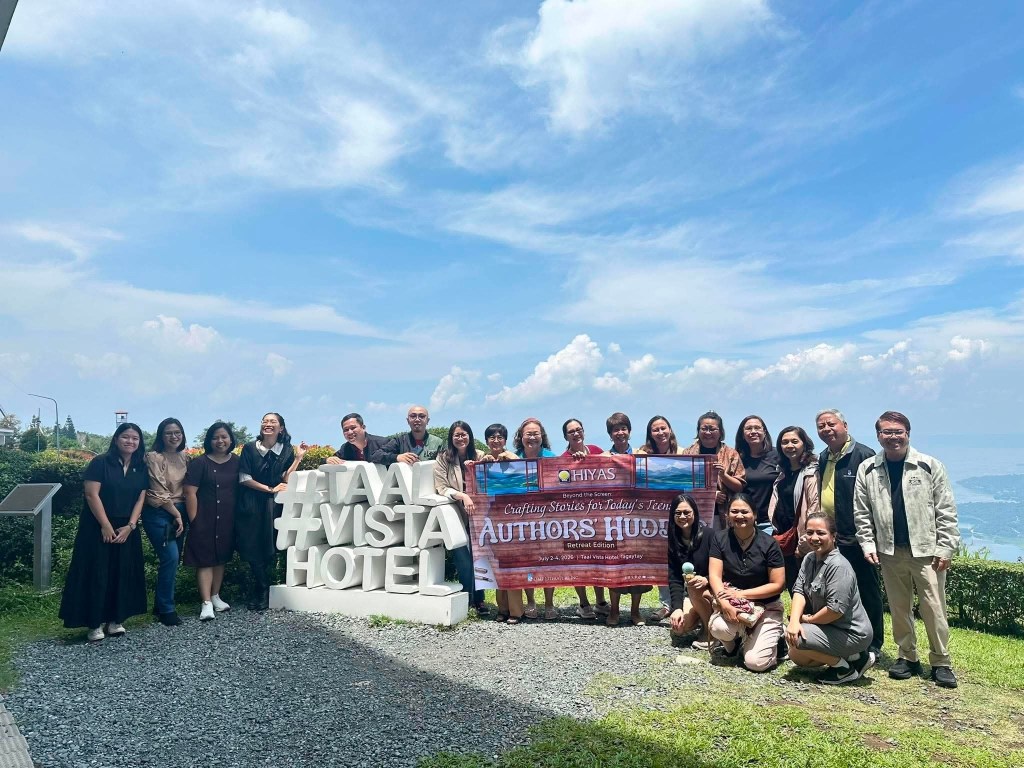
OMF Literature held its second Author’s Huddle in Tagaytay, a writing workshop and retreat offered as a gift to its potential authors, this time in developing stories for teens. The three-day program was simple: get inspired, share your seed story, immerse yourself in casual conversations with peers, and have time to pray and write. Authors submitted proposals that OMF selected for the retreat and gathering. OMF editors and the marketing team presented the publisher’s mission and vision for teens, as well as the kinds of books needed to meet those goals.
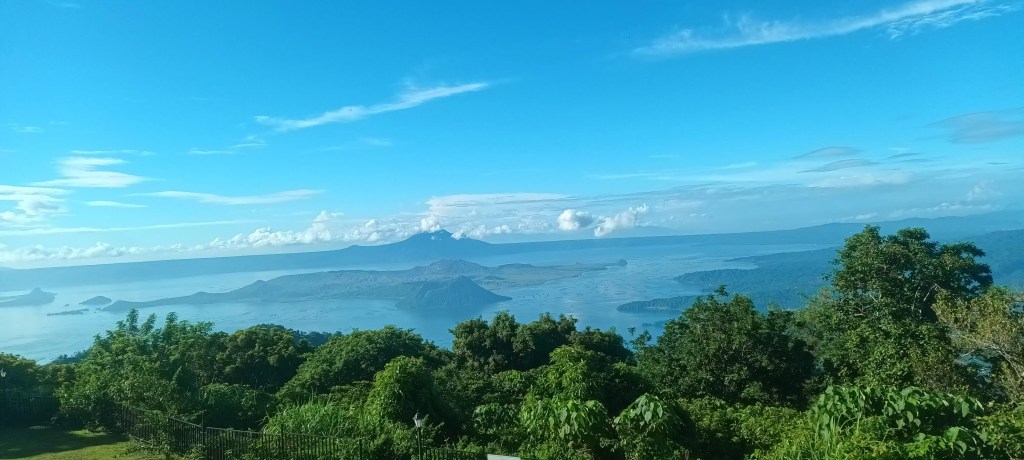
The cool breeze and the calming landscape of Taal certainly helped us, as authors, to slow down and listen, not only to others but also to our own work. We were reminded, as “influencers who inspire,” to take care not to conform to the patterns of this world, that we are crafters of countercultural narratives (Romans 12:2).
How a Writing Retreat Helps Authors Clarify Their Writing Goals
As a solitary pursuit, writing is lonely and isolating. Huddles like this remind us that we’re not alone in our struggles. Conversations with other authors revealed specific “blocks” or “motivations” that allow them to pursue a project. Should a manuscript be abandoned or changed? How should a part or chapter proceed, or be deleted altogether? One isn’t sure about the genre, even though the seed story is there. There are also the truly pragmatic authors who already have a series that will definitely need more time. Nonetheless, every idea begins to formulate, expand, or narrow into narrative trajectories. These conversations reveal the wrestling with self-doubt, or even guilt, after having filed away many story beginnings, with deciding which one to follow through becoming the real problem.
The huddle, as part of the creative process, wouldn’t matter as much without the publisher’s assurance of publication. This offers encouragement that no motivational lecture or intensive writing workshop can replace because it comes from people who appreciate each author’s journey and are willing to see it through from beginning to end.
Why Casual Conversations Often Lead to the Best Story Ideas
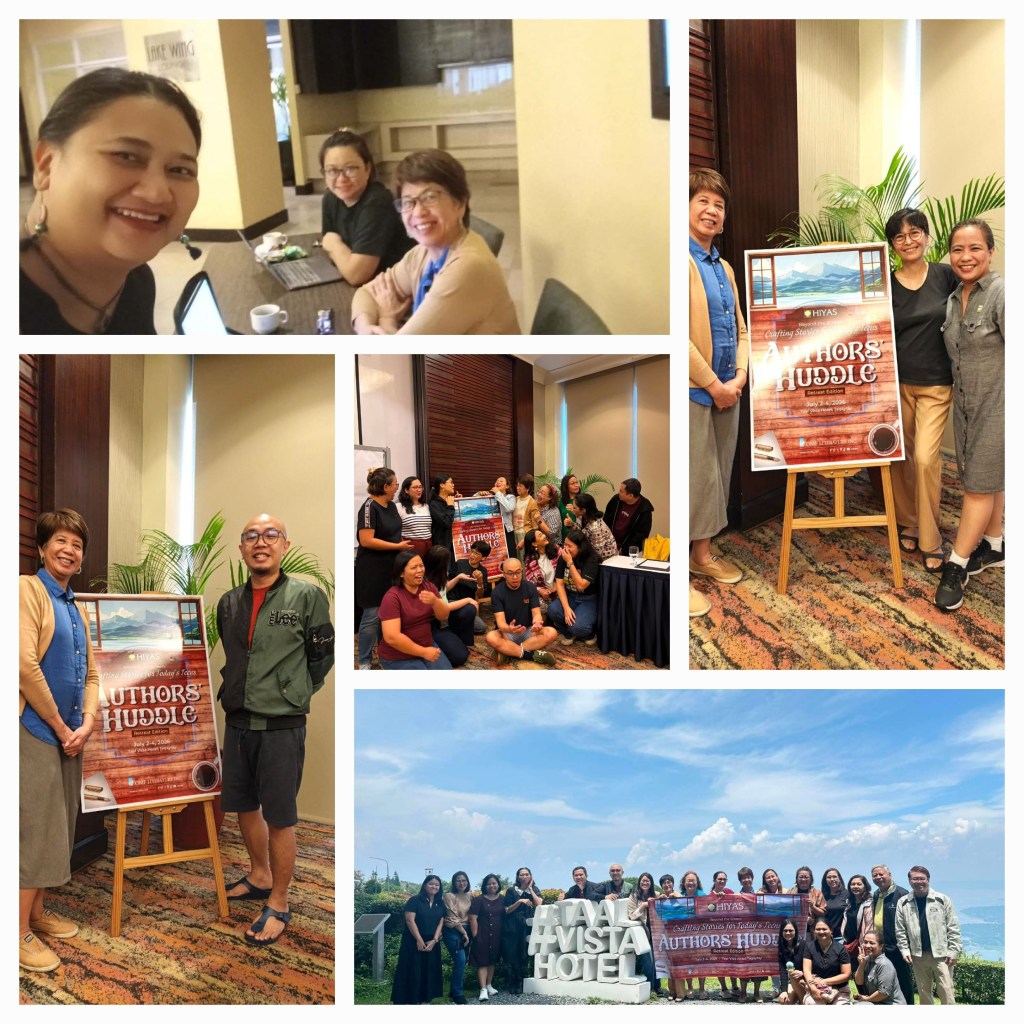
The most productive moments of the huddle happened during random talks with fellow writers, whenever and wherever we gathered in the venue. As I talked about my piece with the editor over coffee, I discovered my story and realized how my plot could proceed. In a conversation with an author who is also a writer for television, I affirmed that setting is not merely a backdrop but must also give narrative texture and context. Listening to a young author talk about his story, I realized that, since we’re writing for teenagers, language is not merely a matter of choosing between Filipino, English, or Taglish. Understanding the genre is equally important.
Something unexpected happens in these random talks, unscheduled brainstorming sessions, and spontaneous question-and-answer exchanges. In their writing journeys, these authors have created spaces for possibilities and brought out the story that was hiding all along. Discoveries happened because our minds were free and allowed to roam, our talks were honest and vulnerable, and our interactions were genuinely supportive of one another.
Honest Peer Feedback Makes Stronger Stories
Support and encouragement also mean that, as we read each other’s work, we aren’t afraid to say that “a story arc is not yet clear.” During the sharing sessions, we presented summaries of our projects in progress. We were listening, not yet focusing on the intricacies of craft, but mostly clarifying what each story was all about. It’s not easy to ask this question outside the confines of a trusted writing community. While editors enter the process much later, fellow writers occupy a middle reading phase, where they are able to point out an arc problem. They’ve been there themselves, so they know how vulnerable an unfinished story can feel. Since they study craft and know what it feels like to wrestle with a first or second draft, these conversations remain both sensitive and necessary.
Writers are, by nature, always seeking mentors and lessons about the craft of writing. Inspiring author devotionals are indispensable. But intentional camaraderie creates opportunities for productive, informal discussions about where a story is headed. During shared meals, over coffee, and along leisurely walks, we often learn the most when we realize whether our story is finally coming together or is still out there, waiting to be discovered.
The cool weather in Tagaytay and the scenic view of Taal are blessings, the perks of attending this huddle. But even a modest venue filled with generous conversations will always outshine a luxurious location where meaningful interaction never happens.
Held in Tagaytay, this writing retreat is less about filling a schedule and more about creating space for reflection, honest critique, unexpected inspiration, and friendships that continue long after everyone has returned home.
“Do not conform to the pattern of this world, but be transformed by the renewing of your mind. Then you will be able to test and approve what God’s will is—his good, pleasing and perfect will” Romans 12:2 NIV