My Single Name Now in My 60s
I have a single name. My first name, my middle name, and my last name remain singular. If life were to follow a script: master a course, prosper in a career, meet a great man, raise a family, grow old surrounded by a house full of grandchildren, I have completely altered that one, linear path. And now, in my 60s, retired and living at a slower, more random pace, I am writing about what just happened into a monologue life script.
That Life Decade When I Thought I Needed to Fit a Template
In my thirties, I often wondered whether I had missed something important. Society measures a woman’s life through relationships, that is, marriage, children, supporting a husband; and when I sat alone, hurriedly eating fast food in restaurants surrounded by noisy families, I used to feel listless and incomplete, deeply wanting my single name to be overwritten.
In my twenties, I wanted to fit that template. By my thirties, it already felt out of reach. In my forties, it became a quiet longing that surfaced in certain moments. I cannot pinpoint the exact time the shift happened, but at some point, I became fully okay without the template at all. It was not resignation, but contentment, a kind of thanksgiving, and appreciation of the value of my single life.
The Presence of God in Quiet Aloneness
I wonder if being single has made life’s choices more difficult to negotiate. When opportunities came, when directions needed to change, when independence did not always feel easy, I had only myself to answer to. Every choice felt vulnerable, with just me moving through it all.
Where I lived. What I did for work. How I spent my days. How I rebuilt myself after changes and transitions. Every choice, responsible and irresponsible, was made in complete freedom. And often, those around me did not know whether I was facing difficult consequences or celebrating small achievements.
And yet, even when I thought I had to figure everything out on my own, I have never really been without help or without hope. God has always been present, making a way through what felt unclear, difficult, or uncertain. Wisdom has come in ways I often did not expect, gently guiding me through every maze I entered. I can say from my own life that what James writes is true and reliable, that “If any of you lacks wisdom, let him ask of God, who gives generously to all without finding fault, and it will be given to him” (James 1:5).
The Good, the Bad, and the Friendships That Lasted
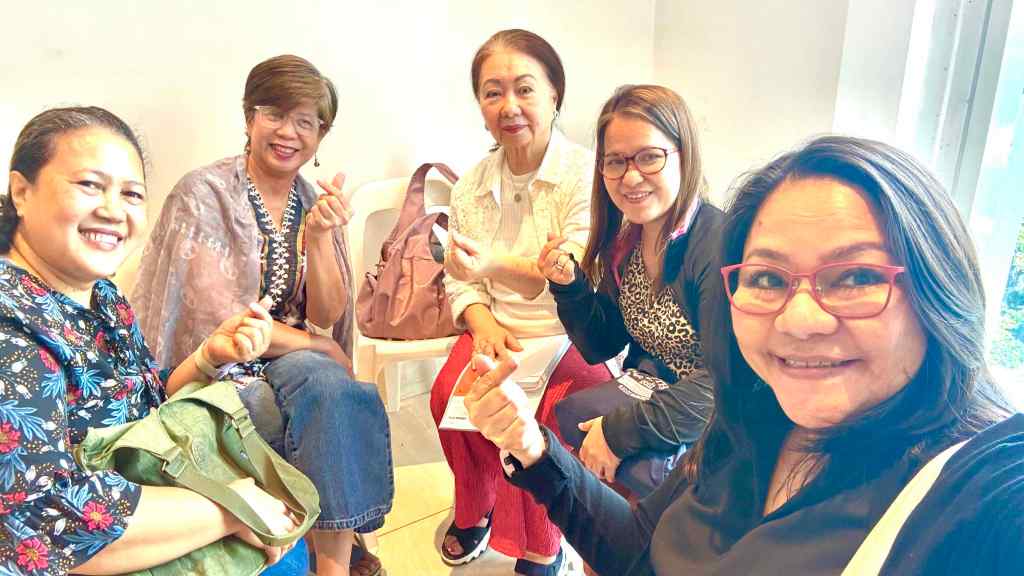
Love simply looks different when you are single. Friendships that have lasted for decades, those few people who have had an inkling of my personal victories and painful seasons, have grounded my understanding of kindness, connection, generosity, and companionship. I know this kind of love to be stable and consistent, carrying me through many stages of life.
At one point, I was a nomadic “ampon,” sleeping over at friends’ houses, and they were always hospitable and generous. In another season, I cried more than once on a friend’s shoulder, burdening her with my struggles, and she even let me into her room, listening as I talked things through.
There was also a time, years ago, when I became almost fixated on a mentor, drawn to her artistry and professionalism in a way that bordered on dependence. She remained patient and accommodating until I recognized my excess and stepped back, humbled.
One friend simply demanded excellence and diligence in everything I did. Her quiet insistence became the push I needed, something only a real friend can give. And finally, I think of a friend who simply gave and gave — cash, clothes, food, and a place to sleep, always present in moments of need, expecting nothing in return.
They were there along the single road, my companions, offering demands, encouragement, and affirmation. In fact, I realized I have never been truly alone.
A New Singular Phase, Flipping a New Page
As a single person in my 60s, I have synchronized myself to no template. Nothing specific nor general appears in the design of my days. Without urgency, I move through this phase of singularity, allowing more room to listen to my body across the time and space of each day.
A long time ago, I felt many absences—the small weight of a child on my lap, tiny sweet voices calling, holding hands with a loved one while walking, parent–child moments in school programs, meetings, and shared milestones.
But today, those absences have softened into spaciousness. This is comfortable and even exciting because I now live with fewer choices. My days unfold in reflective quiet without interruption. I enjoy meals in peace, I live in a secure and safe dwelling that allows for healthy silences, and my time does not demand the presence of others to wake me into a good day.
Every task and activity in this single existence used to be subject to overthinking, shaped by my “creative” imagination. Now I am learning to live into the meaning of our days being “like grass,”[i] and to rest in the knowledge that God knows the exact “number of the strands of my hair.”[ii]
[i] Psalm 103:15–16; Isaiah 40:6–8; Psalm 90:5–6 — the image of grass and flowers illustrate the brevity, fragility, and transience of human life, emphasizing its dependence on God and its passing nature.
[ii] Matthew 10:30; Luke 12:7 — Jesus teaches that God’s care extends to the smallest and most specific details of human life, even to the point of numbering the hairs on one’s head, expressing intimate divine attentiveness.

Leave a Reply